Roofing Repair Solutions for Leaks
Top Signs Your Roof Needs Repair: Roof Expert Roof Services for Residential Customers
Homeowners often overlook telltale indicators that indicate a roof may need repair. Moisture accumulation, missing shingles, and discoloration can all signal deeper structural problems. These problems, if ignored, could escalate, threatening the structural soundness of the property. Recognizing these indicators is essential for preserving both safety and property value. However, knowing when to seek expert assistance can be challenging. What factors should homeowners consider before making that decision?
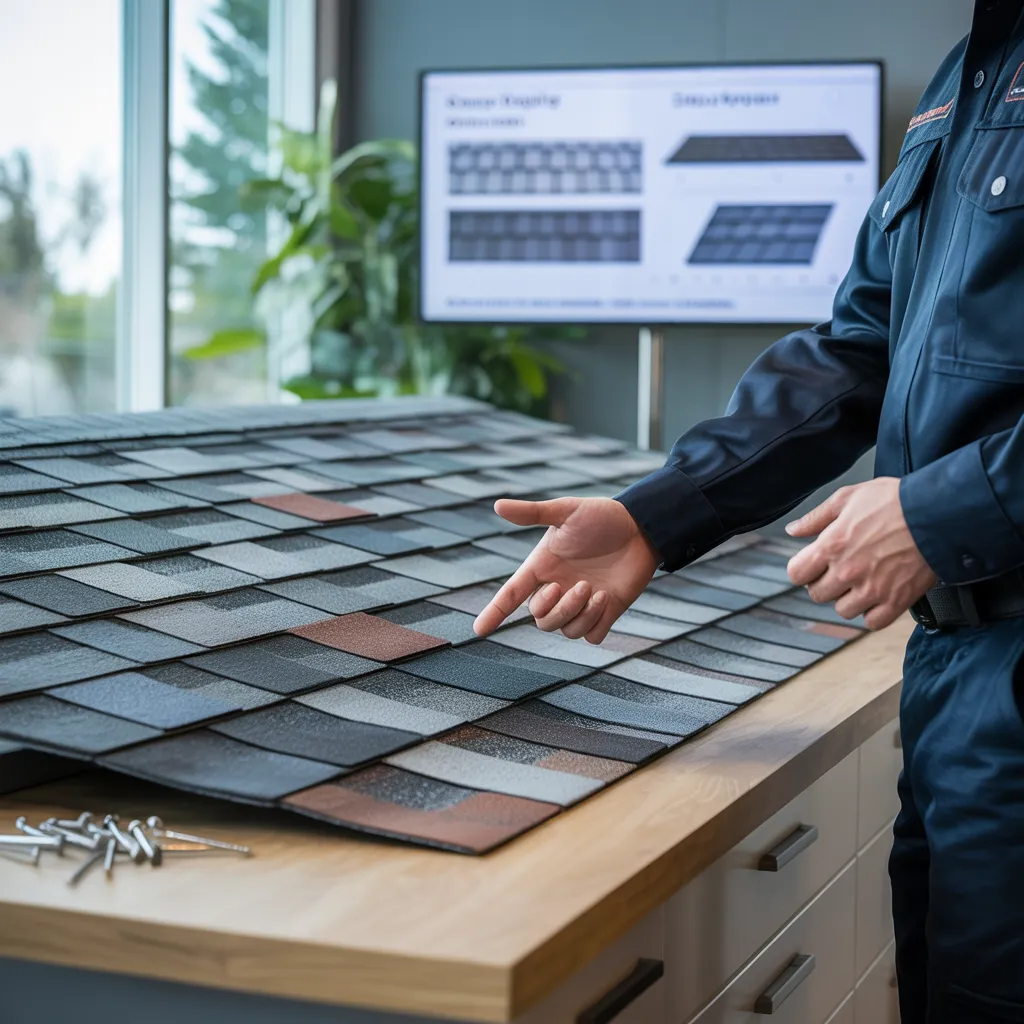
Key Warning Signs Your Roof Needs Fixing
Homeowners should be vigilant for multiple critical warning signs that signal a roof requires attention and repair. One primary indicator is missing or deteriorating shingles, which leave the underlying structure vulnerable to moisture intrusion. Additionally, discoloration or dark spots on the roof often point to existing leaks or water-related damage. Homeowners are advised to examine the attic for moisture buildup, mold growth, or sagging areas, since these may point to deeper structural problems. An accumulation of shingle granules in gutters can suggest shingle deterioration, while visible daylight through roof boards can indicate considerable wear and damage. One more critical indicator is increased energy bills, which can stem from inadequate insulation or ventilation due to roof damage. Prompt attention to these signs can prevent more extensive damage and costly repairs down the line. Regular inspections and maintenance are essential to preserving the durability and structural integrity of a home's roof.
The Effects of Weather on Your Roof
Even though a roof is constructed to handle diverse weather conditions, its performance can be substantially affected by external elements. Extreme temperatures, heavy rainfall, snow, and wind can cause gradual deterioration. To illustrate, prolonged exposure to sunlight can result in shingles becoming fragile and cracked, while excessive moisture can result in the development of mold and rot.
Freezing temperatures can cause ice dams, which obstruct adequate drainage and may force water to accumulate under roofing shingles. Furthermore, powerful wind gusts can dislodge roofing materials, subjecting the underlying structure to greater damage. Regular weather fluctuations can weaken seals and flashing, increasing vulnerability to leaks.
Homeowners should remain vigilant, as weather-related wear can weaken the roof's overall condition. Detecting these issues at an early stage facilitates swift remedial measures, ultimately preserving the roof's lifespan and functionality. Comprehending the interaction between weather patterns and roofing materials is fundamental for successful roof upkeep.
The Importance of Regular Roof Maintenance
Regular roof maintenance is essential for ensuring the durability and performance of a roofing system, as overlooking this necessary maintenance can result in expensive repairs and early deterioration. Scheduled inspections can uncover minor defects before they grow into serious problems, preserving the roof's integrity. In addition, consistent upkeep works to eliminate leaks, which can result in significant harm to a home's interior and undermine its structural stability.
Maintaining a clean roof is also important, because accumulated debris traps moisture, leading to mold growth and deterioration of roofing materials. Furthermore, maintenance can enhance energy efficiency by ensuring adequate insulation and ventilation. Homeowners who prioritize regular roof upkeep not only increase the longevity of their roofs but also safeguard their investment, offering lasting peace of mind. By coordinating routine inspections with a professional, homeowners can be confident their roofs are maintained at their best, safeguarding their homes against the elements.
Safety Tips for Roof Inspections
Conducting a roof inspection demands a thorough understanding of safety protocols to minimize accidents and injuries. Initially, individuals should equip themselves with proper safety gear, including a durable helmet, skid-resistant shoes, and a harness. It is essential to inspect the roof's condition before climbing; if it seems unstable or wet, delaying the inspection is the best course of action.
Using a sturdy ladder is essential; it should project no less than three feet above the roofline to ensure safe entry. At all times, inspectors must keep three points of contact on the ladder. When traversing the roof, individuals should avoid stepping on weak spots, such as sections affected by moss growth or sagging. Moreover, having an assistant nearby can significantly boost safety, enabling prompt help when required. Finally, it is wise to familiarize oneself with local regulations regarding roof access to guarantee adherence and reduce hazards throughout the inspection.
Repair or Replacement: Essential Factors to Consider
Determining whether to repair or replace a roof is a critical decision that homeowners must face when signs of damage emerge. Key considerations include the severity of the damage, the roof's age, and the general state of the roofing materials. If the deterioration is limited in scope—such as a few missing shingles—a repair may be the appropriate solution. However, if the roof is nearing the end of its lifespan or has broad-reaching damage, a full replacement could prove more economical over time.
Homeowners should also evaluate the likelihood of ongoing problems and the economic consequences of each alternative. Temporary fixes may result in greater costs if further deterioration occurs. Moreover, visual appeal and energy performance may influence the decision, as a new roof can enhance a home's value and curb appeal. Ultimately, careful assessment of these elements will guide homeowners in making the best choice for their specific situation.
When Do You Need to Call in the Roof Repair Experts?
When is it necessary for homeowners to seek the expertise of roof repair professionals? Property owners ought to reach out to professionals when they read about this notice signs of visible damage, like displaced shingles, persistent leaks, or bowing portions of the roof. Additionally, if water stains appear on ceilings or walls, it indicates potential roof issues requiring immediate attention. Property owners must remain alert following intense weather conditions, since strong winds and torrential rain can worsen pre-existing weak points.
Another important indicator is the existence of mold or algae growth, which can indicate excess moisture buildup and require a professional inspection. When homeowners notice they are repeatedly addressing minor repairs, it may signal more serious underlying issues. In the end, age is a contributing factor; roofs nearing the end of their lifespan frequently require a thorough professional inspection. Tackling these issues in a timely manner can help avoid serious damage and high repair costs later on.
Common Questions and Answers
How Long Should I Expect My Roof to Last?
A typical roof can last between 20 to 50 years, based on the materials used and how well it is maintained. Factors such as weather, installation quality, and regular inspections greatly influence its longevity and overall performance.
Which Materials Work Best for Roofing Repairs?
Asphalt shingles, metal, and rubber membranes are considered the best materials for roofing repairs. These options offer durability, weather resistance, and cost-effectiveness, guaranteeing reliable protection and performance across a range of roofing needs.
What Are the Typical Costs for Roof Repairs?
Roof repair costs generally range between $300 and $1,500, depending on the severity of the damage and the materials required. Variables like geographic location, labor costs, and particular repair needs can significantly impact the overall cost.
Is It Possible to Fix My Roof on My Own?
Certainly, an individual can handle roof repairs themselves, so long as they possess the required abilities and materials. Nevertheless, proper safety measures and a solid grasp of roof materials are crucial to achieve effective and lasting repairs.
What Should I Do After a Storm?
Following a storm , homeowners are advised to inspect their rooftops for apparent damage , identify any leaks within the home , record any problems with photographs , and consider contacting a qualified expert for a detailed inspection and essential repairs to secure the safety of the property .